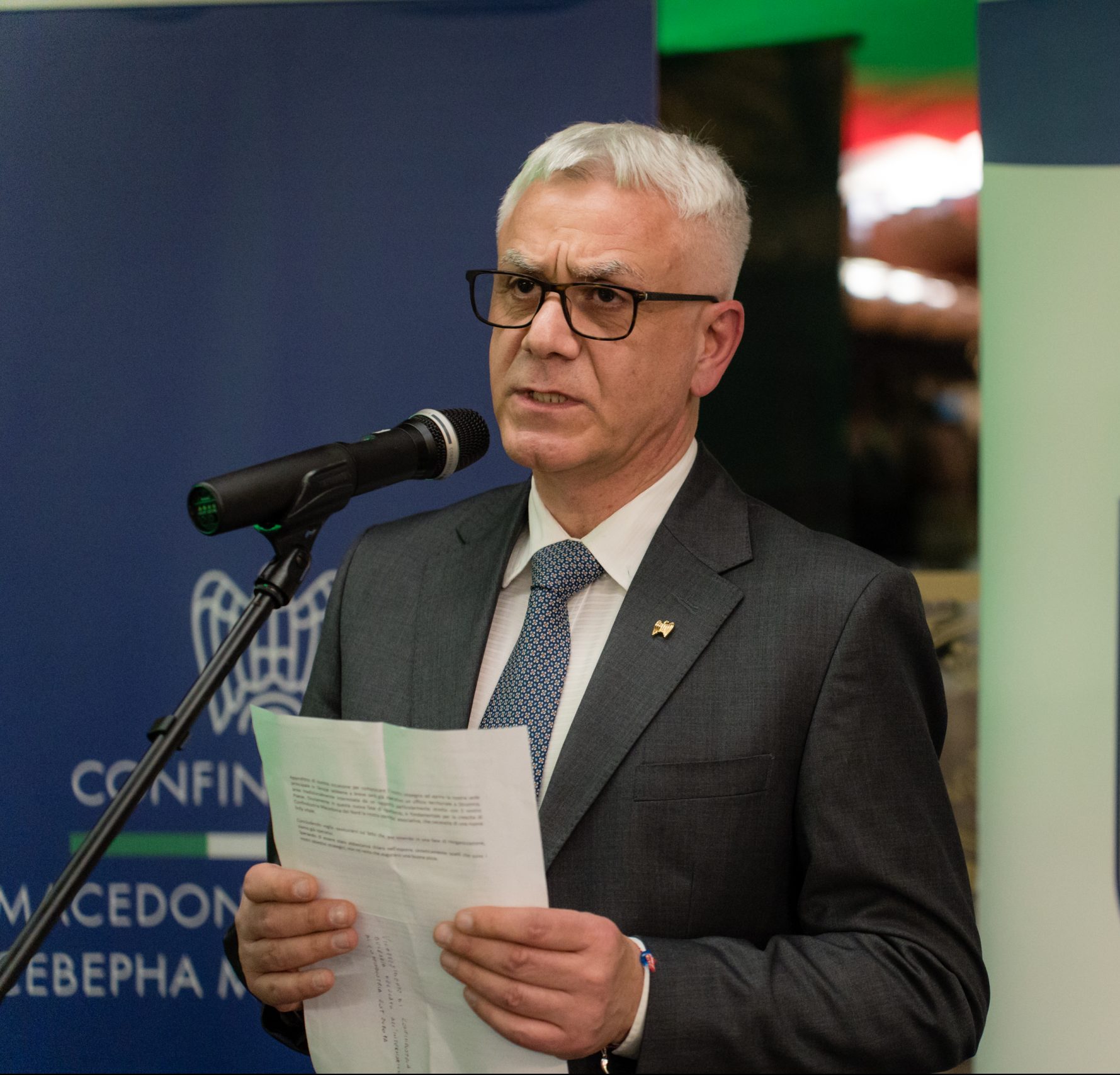

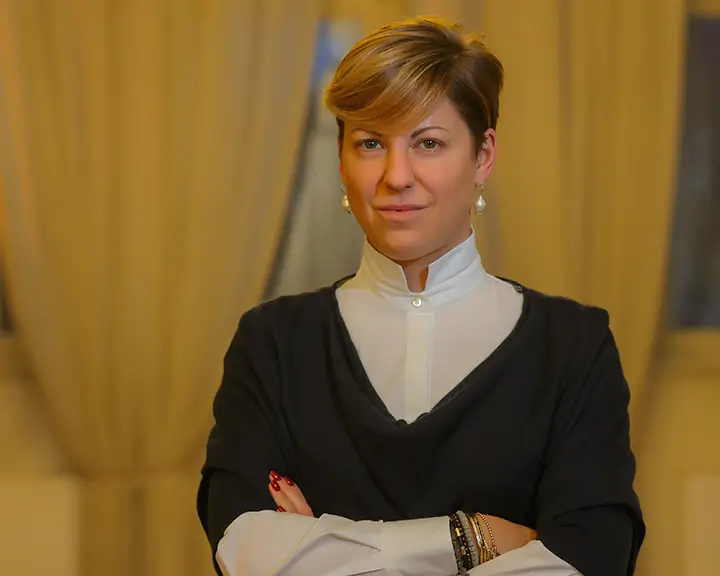
Following her address at the side-event promoted by Confindustria and Deloitte within the Ukraine Recovery Conference 2025, held in Rome on 9 July, we wanted to explore further with Anna Mareschi Danieli – President of Confindustria Slovenia and Vice-President of Confindustria Est Europa – some themes central to the region's future: infrastructure, innovation, cross-border cooperation and European economic integration.
Slovenia confirms itself today as a strategic hinge in relations between Italy, the Balkans and Central and Eastern Europe. Its position, institutional stability and growing international projection offer significant opportunities for Italian companies, above all in sectors such as energy, logistics, digital and manufacturing.
Slovenia is playing an increasingly active role in connecting Italy with the Balkans and Central and Eastern Europe. In your view, what are the priorities for further strengthening this strategic hub function, also in the light of Confindustria Slovenia's activities in sectors such as infrastructure, energy and innovation?
Slovenia is emerging as a key player in strengthening the links between Italy, the Balkans and Central and Eastern Europe. Its geographical position, at the crossroads of major European corridors, makes it a natural point of passage for goods and people. The port of Koper, in particular, is gaining importance as a logistics hub alternative to the Italian ones, thanks to its efficiency and its rail links towards the interior of the continent. Cross-border cooperation with Italy, reinforced by cultural and infrastructure initiatives, is helping to integrate the two economies further. Slovenia also enjoys political and institutional stability that makes it a reliable partner for European projects, especially in the energy and digital fields. Its role as a bridge between the European Union and the Balkan countries in the accession process positions it as a privileged interlocutor in enlargement and regional cooperation.
To consolidate its role, Slovenia should:
- Continue to invest in cross-border logistics and digital infrastructure.
- Strengthen institutional cooperation with Italy and the Balkan countries.
- Promote innovation and the green transition through European funds.
- Actively support EU enlargement as a lever of stability and development.
As Vice-President of Confindustria Est Europa, you are at the forefront of promoting integration among our international representative offices. Which shared tools and projects do you consider most urgent to strengthen the collaboration and visibility of the Confindustria System in the central and eastern region?
Certainly a united and continuously evolving Confindustria Est Europa is the main trigger for attracting new members. The team is crucial in order to pool advantages and overcome obstacles. Confindustria Est Europa must work alongside the entire Italian system (chambers of commerce, embassies, trade associations, ITA, SACE, SIMEST and so on), taking care never to compete with it.
Drawing on your direct experience as an entrepreneur and president, what message would you give to Italian companies that look to the Balkans as an opportunity for growth and internationalisation, but still fear uncertain regulatory or political contexts?
Recent years have seen a gradual improvement in political and regulatory stability in the Western Balkans, although significant challenges remain — but entrepreneurs, Italian ones above all, know this perfectly well. The most important signs of improvement concern: i) The EU's new growth plan (2023–2024)
The European Commission has launched an instrument for reform and growth in the Western Balkans, aimed at fostering socio-economic convergence and regulatory alignment with the EU. This approach provides for progressive benefits for countries that demonstrate concrete commitment to democratic reform, the rule of law and human rights; 2) Strict and transparent conditionality The European Economic and Social Committee (EESC) has welcomed the EU's merit-based and conditional approach, which ties the benefits of integration to verifiable progress in regulatory and institutional matters. This has encouraged some countries to strengthen their democratic structures; and 3) Strategic security partnerships The EU has signed defence and security cooperation agreements with countries such as Albania and North Macedonia, strengthening governance and the capacity to respond to transnational challenges.
In short, the trajectory is positive, even if political and regulatory stability in the Balkans remains asymmetric and dependent on constant EU support and pressure.
We thank President Mareschi Danieli for her availability and for the active role she plays within our network in promoting shared visions and long-term strategies for strengthening the Confindustria System in the markets of Eastern Europe.
Confindustria Est Europa will continue to draw on the contribution of its representative offices and of its most active entrepreneurs, creating occasions for dialogue and collaboration with all the institutional and private actors interested in the sustainable development of the central-eastern and Balkan area.